THE OMNIA METHOD · PERSONALISED BY DESIGN

A personalised
care journey.

A structured way to move from understanding your concerns and building the clinical picture to an agreed treatment plan, coordinated care and collaborative progress review.

01 Understand02 Build03 Agree04 Deliver05 Review
CARE BEGINS WITH UNDERSTANDING

The person is the
starting point.

The OMNIA Method is our personalised and integrated approach to mental health care. It brings together clinical expertise, psychological understanding, multidisciplinary care and selected applied neuroscience to build a more complete picture of each person.

We begin with the individual: their concerns, history, symptoms, functioning, strengths, environment and goals. From there, we determine what type of support is most appropriate.

THEPERSONat the centre
HistorySymptomsFunctioningStrengthsEnvironmentGoals
THE OMNIA METHOD

Five stages.
One connected picture.

01/ 05
Initial consultation at Omnia.
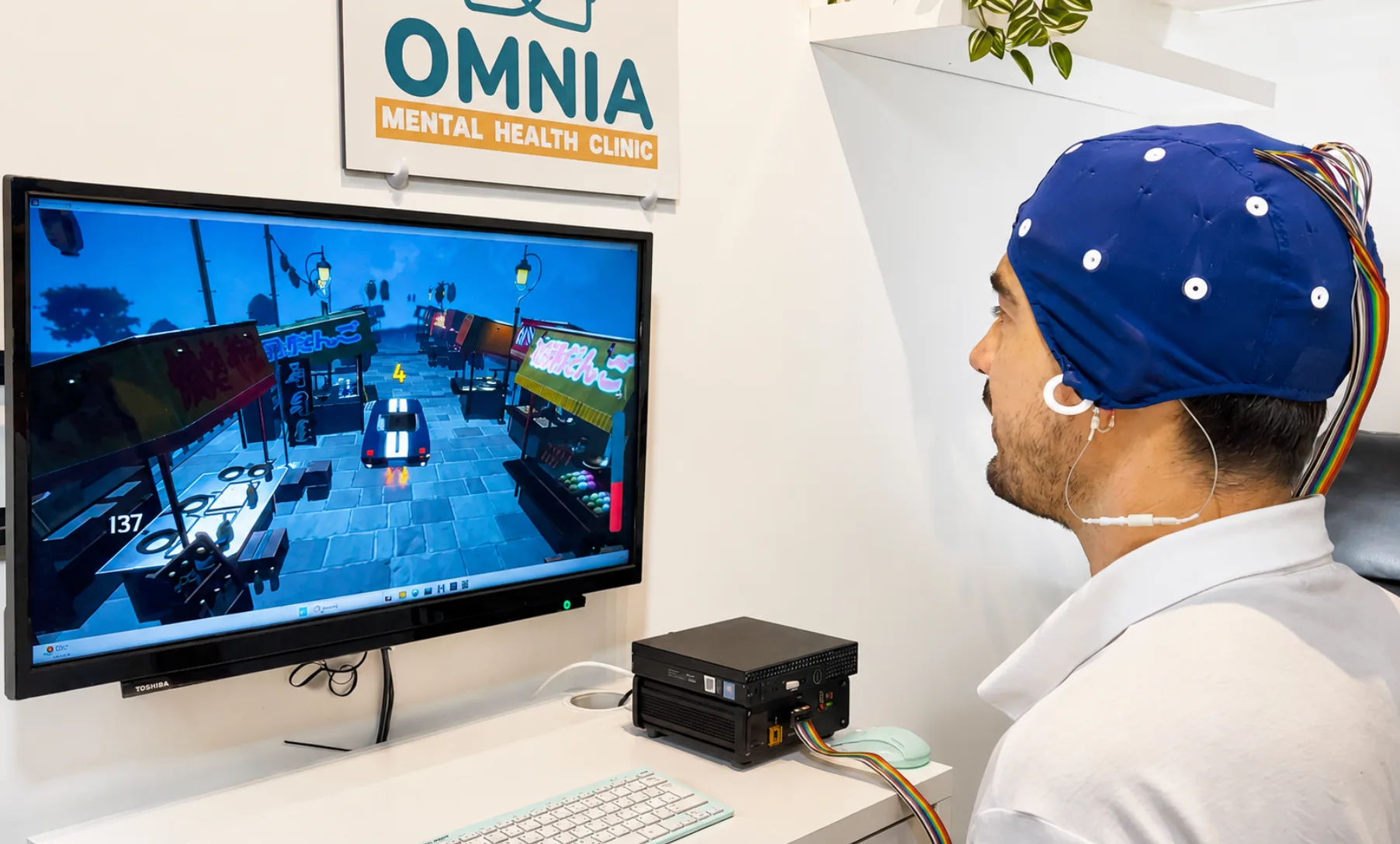
Assessment and qEEG recording at Omnia.
Reviewing results and agreeing a plan at Omnia.
Neuroscience treatment session at Omnia.
Review and follow-up consultation at Omnia.
STEP 01 · BEGIN

Understand Your Needs,
History and Goals

The process begins with your concerns, history, current symptoms, everyday functioning, strengths, environment and goals. An initial consultation helps clarify what is happening, what matters most to you and whether further assessment or a particular treatment pathway may be useful.

Book an initial consultation →
STEP 02 · ASSESS

Build the
Clinical Picture

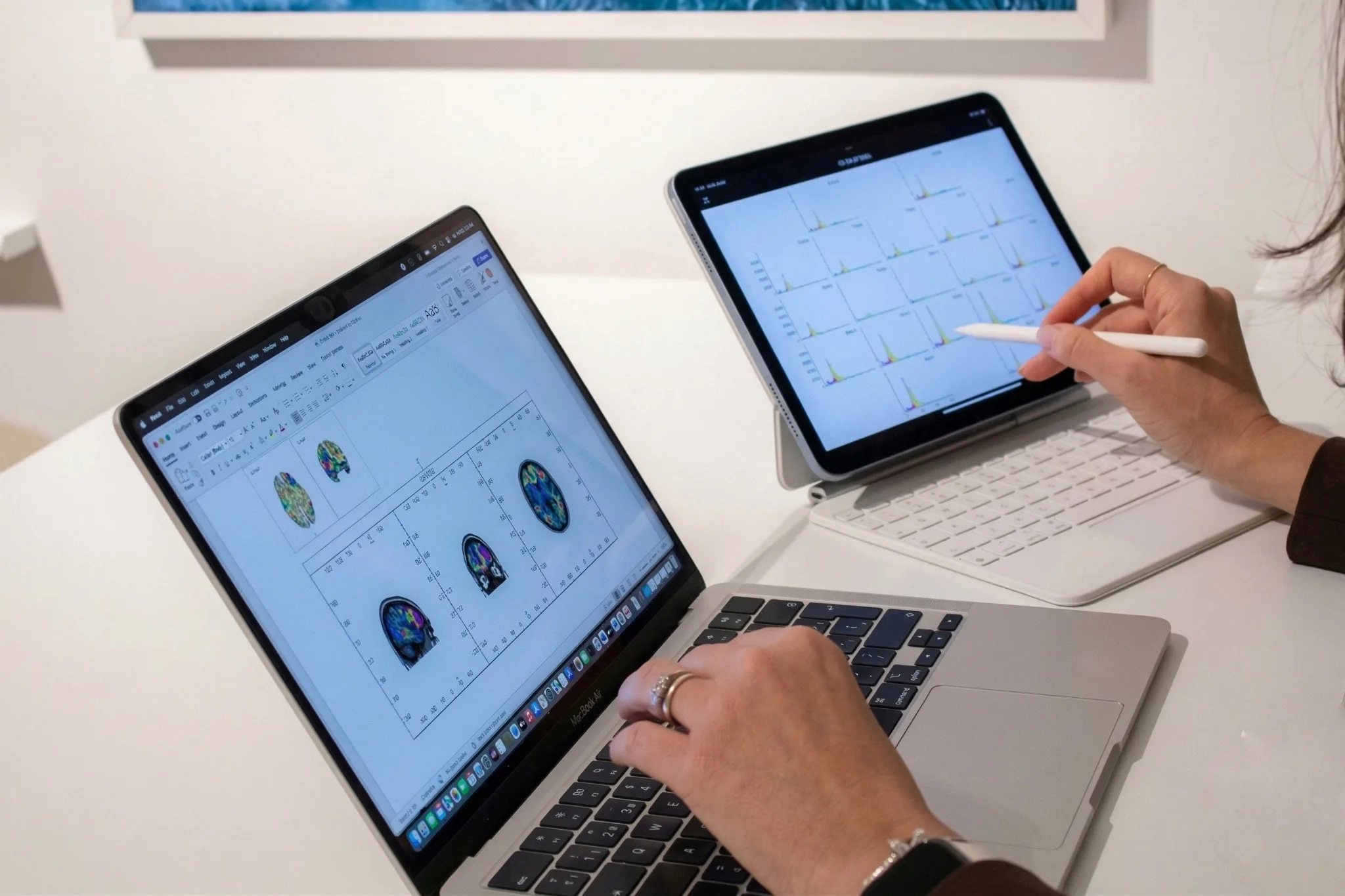
Depending on the question, the clinical picture may include psychological or neuropsychological assessment, cognitive testing, questionnaires, medical or psychiatric input and, where appropriate, qEEG or other neurophysiological information. Objective measures can add useful information, but they are interpreted alongside history, symptoms and clinical judgement. qEEG does not make a diagnosis on its own.

Explore assessments →
STEP 03 · PLAN

Explain and
Agree a Plan

Findings are brought together and explained in context. The aim is to agree a plan that reflects the individual’s needs, preferences, goals, evidence and clinical considerations. That plan may involve psychotherapy, assessment, psychiatry, occupational therapy, educational psychology, applied neuroscience or a combination of approaches where appropriate.

Explore services →
STEP 04 · SUPPORT

Deliver the
Agreed Care

Care is delivered according to the agreed pathway. Where neuroscience is part of the plan, the selected technique should have a clear rationale, appropriate safety screening and clinical oversight. Neuroscience does not automatically replace psychotherapy, psychiatry or medical care. Different approaches can complement one another when there is a clear clinical reason.

Explore applied neuroscience →
STEP 05 · REVIEW

Review
Progress

Care is designed to evolve over time. Progress is reviewed through changes in symptoms, functioning and personal goals, alongside appropriate clinical or objective measures when relevant. The treatment plan can then be refined according to response, changing needs and new information rather than remaining fixed simply because it was the original plan.

Ask us about the pathway →
SCROLL TO MOVE THROUGH THE METHOD
A CONNECTED CLINICAL PICTURE

Information does not sit
in separate boxes.

Objective measures can add useful information, but they are interpreted alongside history, symptoms and clinical judgement. qEEG does not make a diagnosis on its own.

CLARITY & LIMITS

Personalised care.
Not a promise
of a particular outcome.

The OMNIA Method is a framework for personalised, coordinated care. It is not a single treatment, test or technology, and it does not guarantee a particular outcome.

01

People can have different needs

People with similar symptoms or the same diagnosis can have very different needs. The method is designed to help build a fuller understanding of the person and support shared decision-making about the most appropriate next step.

02

Measures add information, not answers

Where qEEG, cognitive assessment or neurophysiological measures are used, they provide additional information within the wider clinical picture. They do not replace a comprehensive clinical assessment or independently determine diagnosis or treatment.

03

Clinical care remains central

Psychological, psychiatric, medical and allied-health care remain important whenever clinically indicated.

04

Technology is selective

Applied-neuroscience tools are considered only where there is an appropriate rationale, evidence, safety review and individual suitability.

05

Progress is collaborative

Goals and outcomes are reviewed with the person, and the plan can change as needs and responses change.

NOT SURE WHERE TO START?

You don't need to
choose the perfect
service yourself.

An initial consultation can help clarify the question and the most appropriate next step.

THE OMNIA METHODUnderstand → Build → Agree → Deliver → Review