Individualised psychiatric assessment, diagnosis clarification and medication management, coordinated with psychological and other care where appropriate.
A psychiatric consultation may be helpful when symptoms are complex, severe or persistent, when a diagnosis needs clarification, or when medication is being considered, reviewed or adjusted.
The psychiatrist considers current symptoms, relevant medical and mental-health history, previous treatment, medication and individual goals before developing a treatment plan.
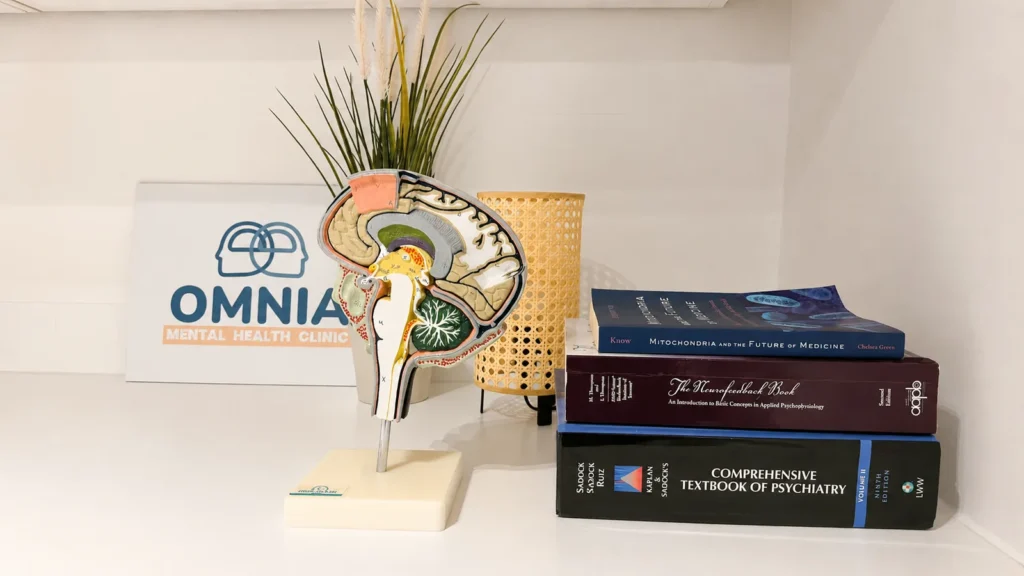
Psychiatric assessment may be considered where symptoms are persistent, complex or medication is being reviewed.
Psychiatry may form part of ADHD care, particularly when medication assessment or ongoing medication review is relevant.
Specialist psychiatric assessment can help clarify diagnosis, treatment needs and coordination with other care.
Psychiatric input may also be considered for OCD, trauma-related conditions and other mental-health presentations.
During a psychiatric assessment, the psychiatrist explores current symptoms, medical and mental-health history, previous treatment and medication. The aim is to develop an appropriate psychiatric treatment plan based on the individual presentation.
Current symptoms and functioning
Relevant medical and mental-health history
Previous treatment experience
Current medication
Individual treatment goals
A psychiatrist may assess whether medication is appropriate within the wider clinical picture.
Follow-up appointments may consider response, side effects and whether treatment needs adjustment.
Psychiatry can be provided as a stand-alone service when medication review or management is the main reason for attending.
With consent, psychiatric care may be coordinated with a GP, psychologist or other professionals involved in treatment.
Where clinically appropriate, a psychiatrist can assess suitability for ADHD medication, prescribe treatment and provide ongoing medication reviews.
a formal ADHD diagnosis is usually required before stimulant or other ADHD medication is prescribed. If a diagnosis is not already available, an ADHD assessment may be recommended first.
Depending on individual needs, ADHD care may involve psychiatry, psychology, psychotherapy, formal ADHD assessment, medication management and other services as part of a coordinated plan.
Psychiatric care may be provided as a stand-alone service or integrated with psychotherapy, psychological or neuropsychological assessment and other services when clinically appropriate.
Any combined plan should remain driven by the person’s clinical needs, preferences and goals rather than by the availability of a particular intervention.
Discuss symptoms, history, previous treatment, medication and current goals.
Clarify the clinical picture, diagnosis where appropriate and treatment considerations.
Agree medication, monitoring, referral or coordinated care as clinically appropriate.
Review response, side effects, progress and whether treatment needs to change.
Dr Julio Gonzalez is a Consultant Psychiatrist affiliated with the Irish Medical Council and the College of Psychiatrists Ireland. He specialises in the diagnosis and treatment of both adults and children.
His profile describes expertise in the psychopharmacological and psychotherapeutic management of mental health conditions, and notes that referrals from a GP or another healthcare provider are required for general psychiatric evaluation, assessment and comprehensive care.
IMC
Consultant Psychiatrist
English & Spanish
The psychiatrist will explore your current symptoms, relevant medical and mental health history, previous treatments and any medication you are taking. The aim is to develop an appropriate psychiatric treatment plan based on your individual presentation.
Yes. Psychiatry can be provided as a stand-alone service when medication assessment, review or ongoing management is the main reason for attending.
Yes. Where clinically appropriate, a psychiatrist can assess suitability for ADHD medication, prescribe treatment and provide ongoing medication reviews. Follow-up appointments may consider treatment response, side effects and whether adjustments are needed over time.
A formal ADHD diagnosis is usually required before stimulant or other ADHD medication is prescribed. If you already have a diagnosis, the psychiatrist can review your clinical history and treatment needs. If not, an ADHD assessment may be recommended first.
Yes. Depending on individual needs, ADHD care may involve psychiatry, psychology, psychotherapy, ADHD assessment, medication management and neuroscience-based interventions, with professionals working together as part of a coordinated treatment plan.
This varies depending on the medication, clinical presentation and stage of treatment. Reviews may be more frequent when medication is started or adjusted and can usually be spaced further apart once treatment is stable.
Yes. Many people benefit from combining psychiatric care with psychotherapy. Where appropriate, psychiatry can also be integrated with psychological assessment or neuroscience-based interventions as part of a broader treatment plan.
Yes. With your consent, the psychiatrist can work alongside your GP, psychologist or other clinicians involved in your care to support continuity, medication management and a coordinated treatment plan.
A psychiatric consultation can help clarify diagnosis, medication needs and how psychiatric care may fit within a wider treatment plan.