Support for athletes and people in demanding professional, academic or performance settings who want to strengthen focus, confidence, resilience, emotional regulation and sustainable performance.
Performance is shaped by more than skill alone. Understanding how you respond to pressure, manage stress, maintain focus and regulate emotions can help build more consistent, sustainable performance and greater confidence.
Performance goals are considered alongside psychological health and wellbeing rather than in isolation.
Competitive or recreational athletes who want support with focus, confidence, pressure, motivation, injury or return to sport.
People working in demanding professional environments where sustained focus, stress management and resilience are important.
People facing academic, artistic or other performance demands who want to strengthen concentration, confidence and emotional regulation.
Those navigating injury, return to performance, changing roles, career transitions or changes in identity and confidence.
Build awareness of attention, distraction and routines that support consistent focus.
Understand responses to pressure and practise strategies for regulation and recovery.
Work with confidence, setbacks, self-talk and the psychological demands of performance.
Pursue performance goals without separating them from psychological health and sustainable functioning.
Injury, rehabilitation and return to sport can affect confidence, motivation, identity and emotional wellbeing. Psychological support may help with the uncertainty and pressure that can accompany recovery.
Performance psychology can also support transitions such as changing level, team, career direction or stepping away from a previous performance identity.

Performance anxiety
Motivation and consistency
Confidence after injury
Return to sport or work
Identity and career transitions
Clarify meaningful performance and wellbeing goals, priorities and the situations that currently feel most challenging.
Explore thoughts, routines, habits and behaviours that can influence performance under pressure.
Develop practical strategies for attention, present-moment focus and responding to distraction.
Build skills for managing stress, frustration, arousal and difficult emotions in demanding situations.
Where appropriate and relevant to the individual’s goals, biofeedback, neurofeedback or other neuroscience-informed approaches may be offered as optional adjuncts to psychological support.
Any adjunctive service is discussed in terms of suitability, evidence, limitations and its role within the wider plan.
Understand the performance context, current pressures, wellbeing and goals.
Clarify what matters most and identify the psychological skills or challenges to focus on.
Use an approach tailored to the person, their context, goals and the clinician’s scope of practice.
Review what is changing, what still needs attention and how support should evolve.
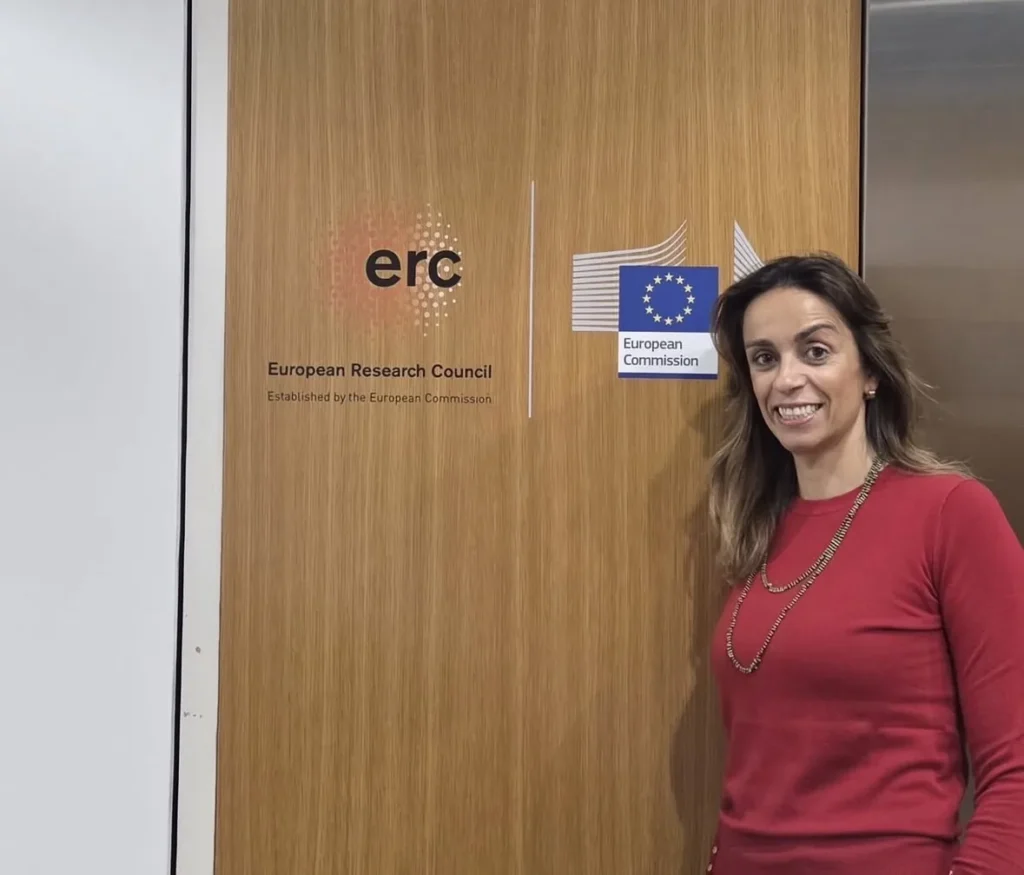
Dr Mariana Kaiseler is a Sport & Exercise Psychologist at Omnia. Her work includes sport and performance psychology, wellbeing, resilience and support for people working in demanding performance environments.
Visit her profile for current qualifications, professional registrations, languages and areas of practice.
Current Sport & Performance Psychology fees are listed on our Fees page. If you are unsure whether this service is the right starting point, contact Omnia or request an initial consultation.
This service is for athletes and people in demanding professional, academic or performance settings. It can support focus, confidence, resilience, emotional regulation and overall performance.
Sessions may address performance anxiety, motivation, concentration, confidence, stress and pressure. They can also support injury-related challenges, return to sport and life or career transitions.
No. It can also support people working or studying in high-pressure environments. The focus may include stress management, concentration, confidence and resilience.
The approach is tailored to the individual. It may include cognitive behavioural techniques, mindfulness, stress-management strategies, emotional regulation and performance-focused interventions.
Yes. Biofeedback, neurofeedback or other neuroscience-informed approaches may be offered as optional adjuncts where appropriate and relevant to the individual’s goals.
No. Performance goals are considered alongside wellbeing and psychological health. The aim is to support sustainable performance without compromising health.
An initial consultation can help clarify goals, current pressures and whether performance psychology or another support pathway is appropriate.